Antioch City Park improvements 2026 are moving into an important community-input stage as the City of Antioch asks residents what they want to see in one of the city’s public parks. Recreation features, safety, landscaping, public art, accessibility, and the everyday usefulness of the space are all part of the conversation.
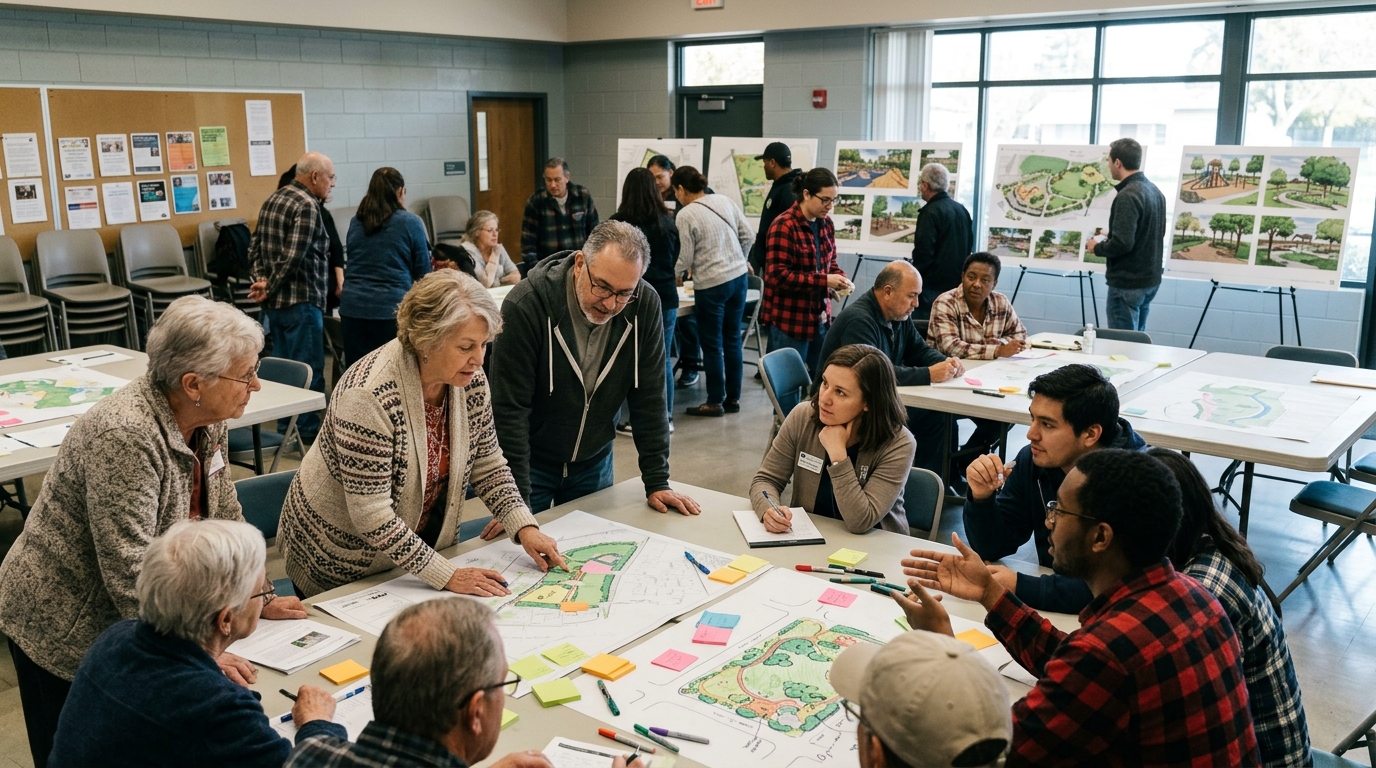
The timing matters. Antioch has scheduled a series of interactive community meetings to gather ideas that will help shape a California State Parks grant application. Several meetings have already taken place, while another session is scheduled for October 10, 2026. That gives residents a direct opportunity to explain what works at the park today, what feels missing, and what improvements would make them use the space more often.
A park redesign is about more than adding new playground equipment. Successful neighborhood parks need to work for children, teenagers, adults, seniors, families, walkers, people with disabilities, community groups, and residents who simply want a comfortable place to sit outdoors.
This guide explains what Antioch is asking residents to consider, why community participation matters, and how to evaluate potential City Park improvements without focusing only on flashy amenities.
Why Antioch City Park Improvements 2026 Are a Timely Community Issue
The City of Antioch announced public meetings focused specifically on the future of City Park. According to the city’s Recreation Department, residents are being invited to share ideas about recreation features, park safety, landscaping, public art, and other possible improvements.
The city has also explained that community feedback will help guide a California State Parks grant application. That makes the public-engagement process more than a general suggestion box. The comments gathered now can help demonstrate what residents actually want from the park and how proposed improvements respond to local needs.
California is also investing heavily in local park development. The California State Parks Statewide Park Development and Community Revitalization Program has a major 2026 funding round underway for projects that create or improve public recreation opportunities.
The City of Antioch’s public notice does not identify the exact state grant program it intends to pursue, so residents should avoid assuming that a particular funding amount is guaranteed. A competitive grant application is only one step toward an actual project.
What the City Is Asking Residents to Help Decide
Community planning works best when residents move beyond general statements such as “make the park better.” Specific observations can help planners understand how people actually use the site.
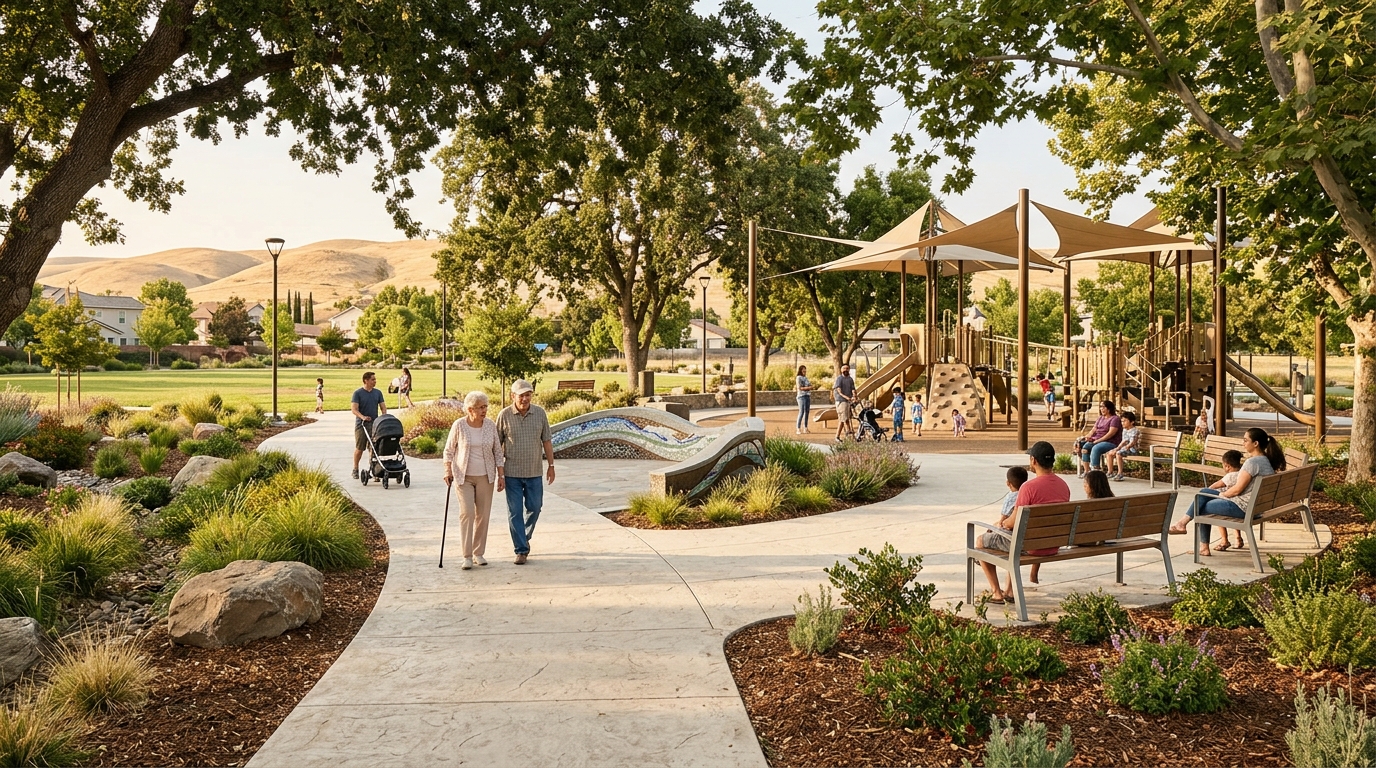
For example, a parent may notice that younger children need age-appropriate play equipment. A senior may care more about shaded seating and smooth walking paths. A teenager may want recreation that gives older youth a reason to spend time at the park. Someone using a wheelchair may identify barriers that are easy to overlook during a quick site visit.
Residents should think about the park at different times of day and during different seasons. A comfortable area in February may become extremely hot in July. A walkway that feels straightforward during daylight may feel less comfortable after shadows increase near evening.
Recreation Features and Everyday Use
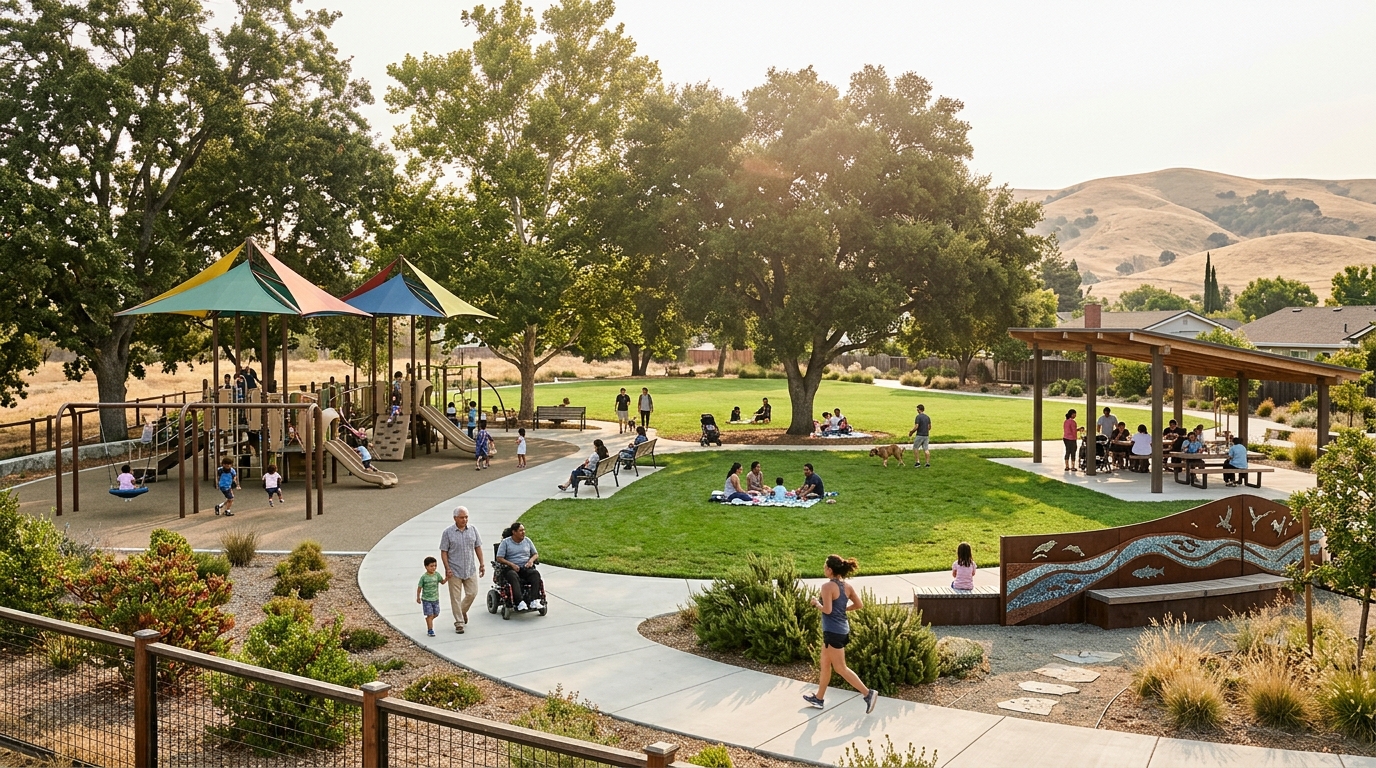
New recreation equipment can attract attention, but the strongest park improvements usually combine active and passive uses. Playgrounds, sports areas, open lawns, walking paths, exercise stations, picnic spaces, seating, and flexible gathering areas can serve different groups without forcing everyone into the same activity.
Residents should ask who an amenity serves and how often it is likely to be used. A highly specialized feature may be valuable, but a flexible space can sometimes support more people over the course of a week.
Families may prioritize play structures and seating where caregivers can maintain clear sightlines. Teens may want basketball, fitness, social spaces, or another activity designed for their age group rather than being treated as older playground users. Adults may value walking loops, exercise equipment, shade, and places to meet neighbors.
Antioch already offers major outdoor destinations with very different experiences. Our Contra Loma Regional Park guide covers reservoir recreation, trails, fishing, and picnicking, while our Black Diamond Mines guide focuses on hiking, mining history, and larger open-space recreation.
City Park does not need to imitate either destination. Its strength can come from serving everyday neighborhood needs close to home.
Safety, Landscaping, Shade, and Public Art
Safety should be considered through design rather than treated only as a policing question. Clear sightlines, maintained landscaping, predictable entrances, visible paths, appropriate lighting where permitted, and spaces that attract regular legitimate use can influence how comfortable a park feels.
Landscaping matters too. Antioch’s hot inland summers make shade particularly valuable. Trees can cool seating and walking areas, but species selection, irrigation requirements, roots, long-term maintenance, and drought resilience all need consideration.
Residents should identify where shade is most important rather than simply requesting more trees everywhere. Playground seating, picnic areas, walking routes, and gathering spaces may need different solutions.
Public art can strengthen local identity when it is integrated into the space rather than added as an isolated decoration. Art might reflect Antioch’s history, cultures, Delta setting, natural environment, or community stories. However, durability, maintenance, visibility, and community relevance should all be considered during selection.
Why Community Input Matters for a State Grant Application
Community participation can help a grant proposal demonstrate that a project responds to actual local needs rather than being designed entirely from an office. California State Parks specifically emphasizes community-based planning within its local park grant resources.
This does not mean every requested feature will appear in the final design. Cost, site conditions, accessibility requirements, environmental review, maintenance, safety standards, available space, and grant rules can all affect what is practical.
That is why useful public feedback should explain both the desired improvement and the problem it would solve.
Turn Ideas Into Specific, Fundable Priorities
Instead of saying “we need a better playground,” a resident could explain that the current play environment does not offer enough activities for a particular age group, lacks shade for caregivers, or needs improved accessibility.
Instead of simply requesting “more safety,” identify the location and concern. Is a path hidden behind vegetation? Is a park entrance difficult to see? Does a seating area feel isolated? Are traffic conditions around an entrance uncomfortable for families arriving on foot?
The same approach applies to recreation. If residents want a walking loop, explain who would use it and why. If a fitness area is important, consider whether equipment should support teenagers, adults, seniors, or several groups.
Priorities should also account for maintenance. A feature that looks impressive on opening day can become frustrating if it requires resources the city cannot realistically provide for years afterward.
This broader thinking is relevant across Antioch. Our article about the future of Antioch’s waterfront and Historic Rivertown makes a similar point: successful public spaces depend on comfort, maintenance, connections, and regular use, not just attractive renderings.
How Residents Can Evaluate the Future of Antioch City Park
The easiest way to evaluate a park proposal is to imagine using it on an ordinary weekday rather than only during a grand opening. Ask what would bring residents back repeatedly.
A strong park should provide several reasons to visit. A parent might arrive for the playground while another resident walks the perimeter. Someone else might use a shaded table for lunch. A small community activity could use an open area without preventing other visitors from enjoying the rest of the park.
Accessibility should be part of the design from the beginning. Paths, entrances, seating locations, playground components, surfaces, parking connections, and restrooms should be evaluated for people with different mobility needs.
Connections beyond the park boundary matter as well. A well-designed park is less useful when walking or biking to it feels unsafe. Residents should consider sidewalks, crossings, bicycle access, nearby streets, transit connections, and how children reach the park from surrounding neighborhoods.
Questions to Ask Before Supporting a Park Concept
Residents do not need training in architecture or landscape design to evaluate a proposal. A few practical questions can reveal whether the plan is designed for long-term use:
- Which age groups and users does the concept serve?
- Where will people find shade during Antioch’s hottest months?
- Are walking routes clear, connected, and accessible?
- Can caregivers easily see children using play areas?
- Are there comfortable places for seniors and people who are not participating in sports?
- How will landscaping be maintained during drought and extreme heat?
- Does the design provide useful open space as well as built amenities?
- How are nearby sidewalks, streets, bicycle routes, and entrances handled?
- What features require significant ongoing maintenance?
- Can the space support both everyday use and occasional community activities?
Residents can also compare City Park’s role with other recreation options around Antioch. For example, Contra Loma provides larger-scale outdoor recreation, while Black Diamond Mines offers extensive open-space trails. The waterfront provides another type of public experience along the Delta. A neighborhood-oriented City Park can complement those destinations instead of competing with them.
Antioch is changing in other ways too. The city’s housing pipeline includes thousands of proposed and approved homes. Our Antioch housing growth guide explains why new development should be considered alongside parks, roads, schools, transit, and public services.
Think Beyond the Ribbon Cutting
The best measure of a park project is not how impressive it looks in a rendering or during its first week. The real test comes years later.
Are trees providing useful shade? Are playground surfaces maintained? Do walking routes still feel comfortable? Are benches located where people actually use them? Can the city maintain landscaping without excessive water or repair costs? Do residents from different age groups continue to visit?
That long-term perspective should guide public input today. Residents should support features that make the park more useful while asking practical questions about maintenance, accessibility, durability, heat, safety, and flexibility.
The current Antioch City Park improvements 2026 process gives residents a timely opportunity to influence those priorities. The city’s public meetings are specifically intended to gather ideas before the grant application moves forward, and the remaining October 10 session provides another opportunity for community participation.
However, participation should not end with one meeting. Residents can continue following Recreation Department updates, public notices, Parks and Recreation Commission discussions, and future City Council agendas as concepts become more specific.
A successful City Park improvement project should not be judged by the number of new features alone. It should create a space that people can comfortably use on ordinary mornings, hot summer afternoons, family weekends, and community gathering days.
For Antioch, that means combining recreation with shade, accessibility, thoughtful landscaping, practical safety, public art, connectivity, and realistic long-term maintenance. Community input now can help make sure those priorities remain part of the conversation as the project develops.