
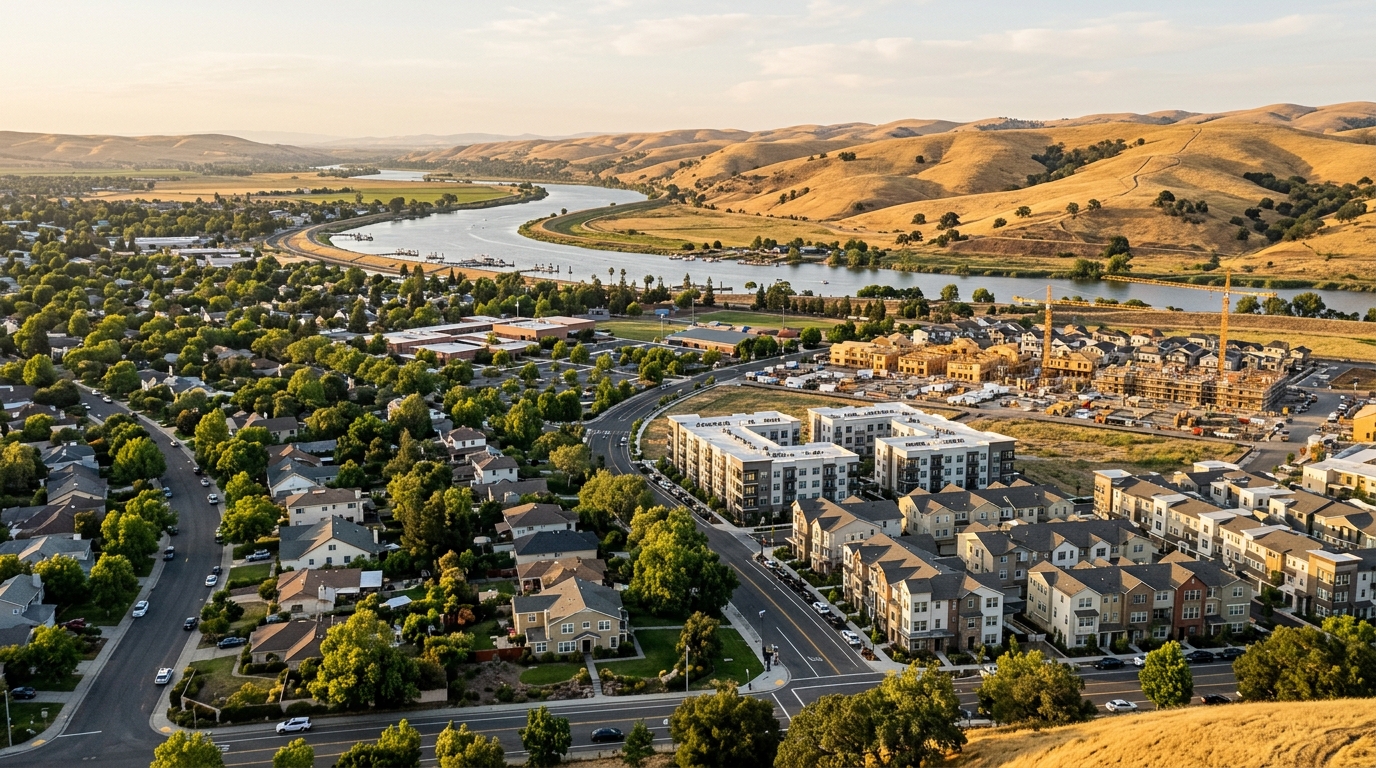
Antioch housing growth 2026 is entering a major period of housing growth. New apartments, affordable housing communities, townhomes, and single-family neighborhoods are moving through different stages of review, approval, and construction. For current residents, prospective buyers, and renters considering a move, the headline number is important—but the details matter more.
According to the City of Antioch’s April 2026 Development Activity Report, thousands of housing units are either being reviewed or have already received some level of approval. That does not mean every proposed home will be built immediately. It does mean the city is planning for substantial change that could affect housing choice, traffic, schools, parks, local businesses, and neighborhood character.
This guide explains the current housing pipeline, identifies several projects worth watching, and outlines what residents should consider as Antioch grows. It also connects housing to the city’s broader General Plan update, which will influence land use, transportation, services, and neighborhoods over the coming years.
What Is Driving Antioch’s Housing Growth in 2026?
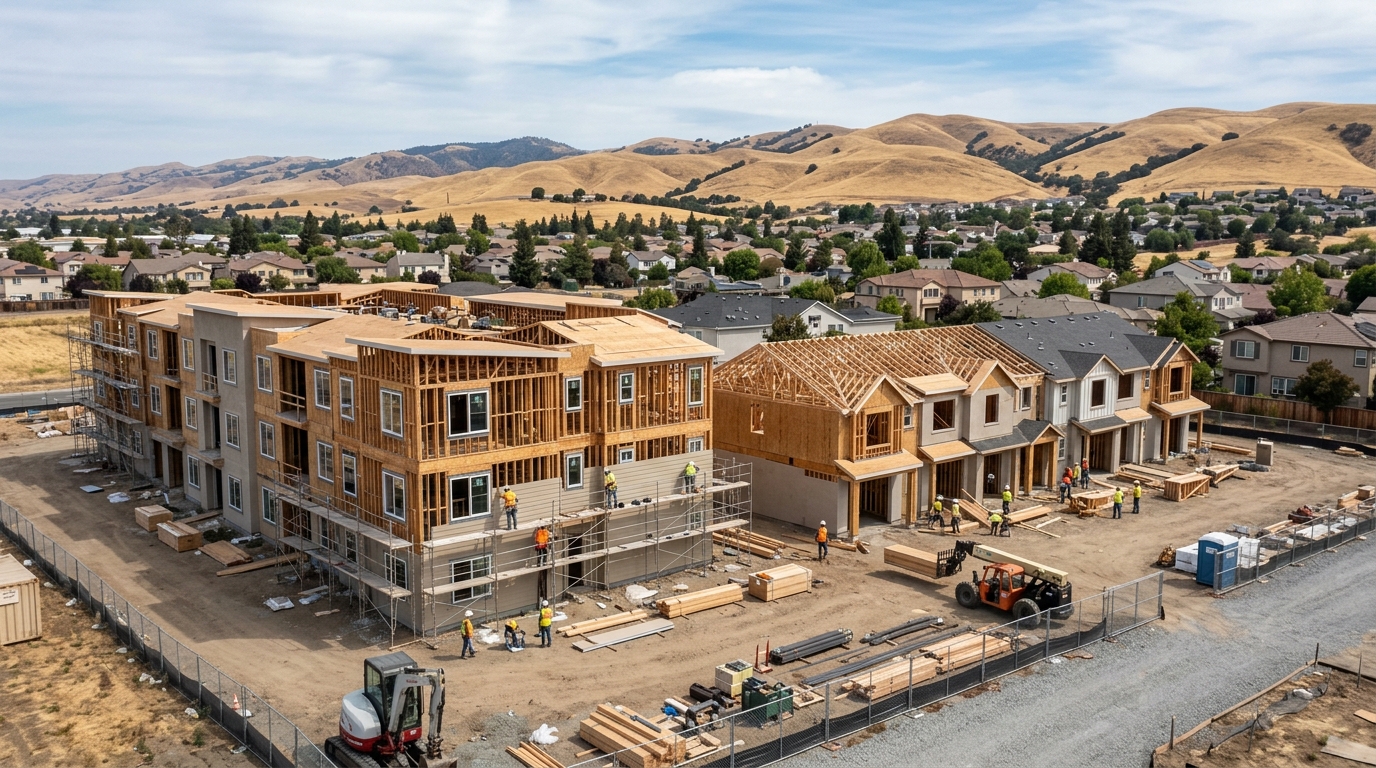
Antioch’s growth is not being driven by one subdivision or apartment proposal. It reflects regional housing demand, California housing requirements, available land, infill opportunities, transit access, and the city’s effort to plan for a wider range of housing types.
The city includes established neighborhoods, newer subdivisions, commercial corridors, open-space edges, and waterfront areas. The current development pipeline adds more variety. Some projects are planned for vacant land, while others would place housing near shopping, major roads, or existing services. Several proposals include apartments or townhomes rather than only detached houses.
For someone researching what it is like to live in Antioch, this matters because growth will not look the same everywhere. A multi-family project near Lone Tree Way may affect daily life differently from a single-family development near the city’s outer edge. Unit count is only the starting point; location, affordability, street access, parks, design, and construction timing shape the real impact.
Current Housing Pipeline at a Glance
The City of Antioch’s April 2026 dashboard reported 2,940 housing units under review and 3,922 approved housing units, for a combined pipeline of 6,862 units. The report also listed 51 planning applications under review during the month. These figures show the scale of activity, but they should not be read as a promise that every unit will open on a fixed schedule.
Projects can be revised, phased, delayed, sold to another developer, or affected by financing and construction costs. Some approved projects may take years, while others may move faster if permits, infrastructure, and funding are in place.
Residents who want the official status should use the City of Antioch’s Development Activity Report Dashboard and Current Projects directory. These sources distinguish between processing, approval, and construction.
Proposed, Approved, and Under Construction Are Different
A proposed project is generally still being reviewed. Its design, unit count, access plan, or conditions may change. An approved project has cleared a major entitlement or design step, but it may still need building permits, financing, utility coordination, or technical work. “Under construction” is the clearest sign that physical development has started, although construction can happen in phases.
This distinction prevents two common mistakes: assuming a proposal is guaranteed and assuming an approval means residents will move in soon. When comparing neighborhoods, check the project status and the date of the latest city update.
Apartment and Affordable Housing Projects to Watch
Several projects illustrate the range of housing being considered. Delta Courtyard Apartments is listed as a 100-unit multi-family proposal on Wilbur Avenue. Hillcrest Summit Apartments has been described by the city as a 165-unit, fully affordable apartment development. Lakeview Center is listed as a 233-unit affordable multi-family development under construction near Lone Tree Way and Golf Course Road.
Other projects add different housing forms. Wildflower Station proposes 159 townhome condominiums in three-story buildings. Laurel Ranch includes single-family homes and onsite park space. The dashboard also identifies larger projects and phases involving hundreds of units.
Together, these examples suggest that Antioch’s housing supply may become more mixed. Apartments and townhomes can provide alternatives to detached houses, while affordable projects may help qualifying residents, seniors, and working families.
How Different Neighborhoods May Experience Growth
Housing growth is experienced locally. Construction traffic, school enrollment, park use, shopping demand, and road pressure are felt most strongly near each project. New residents can also support restaurants, services, and small businesses by increasing the number of nearby customers.
Anyone comparing areas should use a detailed Antioch neighborhood guide rather than treating the city as one uniform market. Consider the route to work, nearby streets, access to Highway 4 or BART, grocery options, parks, medical services, and active construction in the surrounding area.
Separate a neighborhood’s current condition from its possible future condition. A vacant parcel may become housing, and a road improvement may change access. Buyers and renters should review public project maps and visit an area at different times of day.
Transit-Oriented and Infill Development
Infill housing places new homes within or near already developed parts of the city. It can use existing roads, shops, transit, and utilities while reducing pressure to expand into undeveloped land. It can also create concerns about parking, building height, traffic, privacy, and public-service capacity.
Housing near transit can be valuable for households that use BART or buses, especially when safe walking, cycling, pickup, and local transit connections are available. Strong projects do more than place units near a station on a map. They consider sidewalks, crossings, accessibility, daily services, and realistic first-and-last-mile travel.
This topic connects to the planned guide on Antioch BART changes and commuting in 2026. Transportation and housing should be evaluated together because a project’s unit count does not show how many vehicle trips it may generate or reduce.
What Growth Could Mean for Residents, Buyers, and Renters
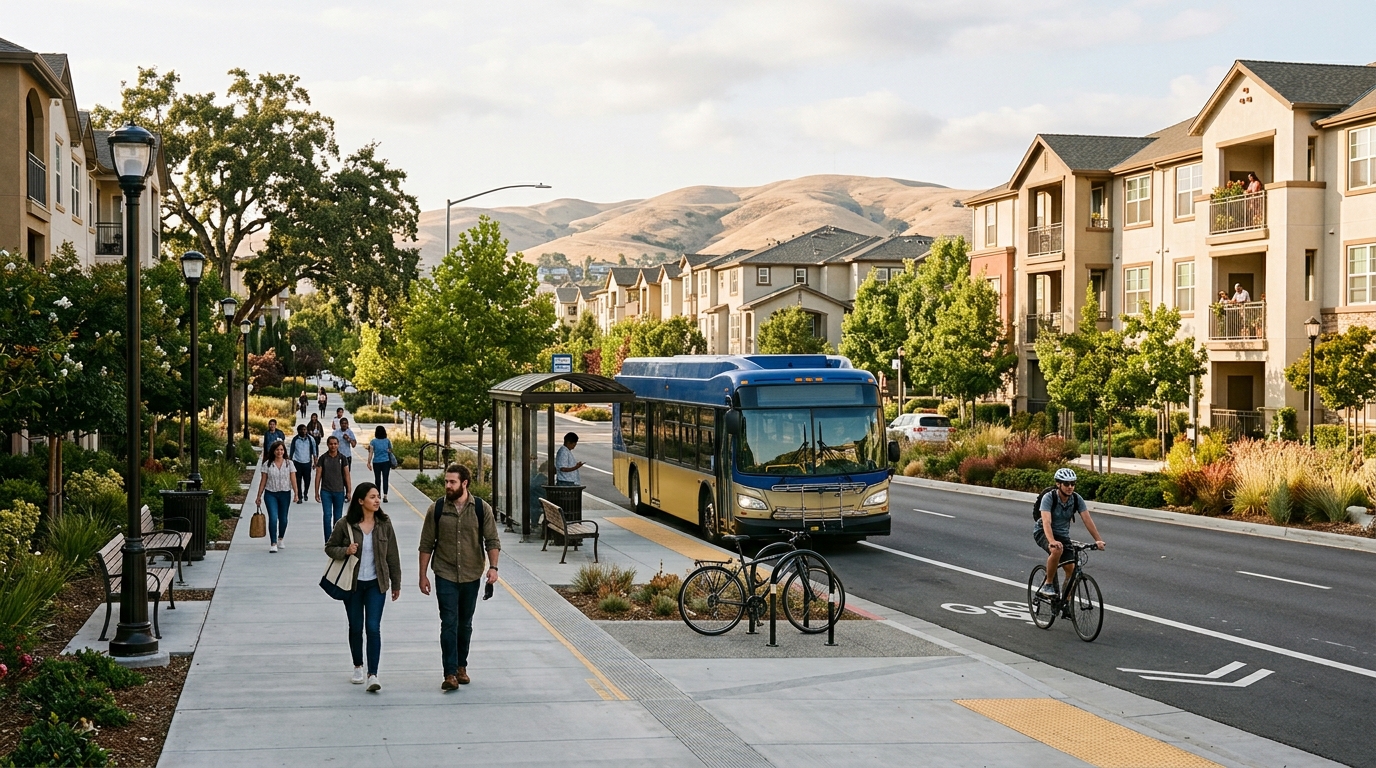
More housing can create opportunity, but it does not automatically solve affordability or infrastructure challenges. The outcome depends on what is built, where it is located, how quickly it arrives, and whether roads, schools, parks, utilities, emergency services, and local businesses keep pace.
For renters, additional apartments may expand options and introduce newer units. For buyers, townhomes and condominiums may provide alternatives to detached houses. Current homeowners, growth may bring new services and investment, but it may also mean temporary construction impacts and long-term changes in traffic or density.
People planning a move should avoid assuming every project will either improve or harm the city. A better approach is to assess specific plans and ask whether they fit the surrounding area, provide needed housing, improve connections, and support long-term quality of life.
Opportunities, Trade-Offs, and Questions to Ask
New housing can support local employers by making it easier for workers to live closer to jobs. It can increase customers for shops and restaurants and may fund roads, landscaping, parks, drainage improvements, or utility upgrades when those requirements are included in project conditions.
The trade-offs are real. Growth can add congestion at busy intersections. Schools and parks may experience higher demand. Construction can create noise, dust, detours, and truck traffic. Larger projects can also change views, neighborhood scale, and the balance between housing, commercial land, and open space.
Useful questions include:
- What is the project’s current status and latest unit count?
- Will the homes be market-rate, affordable, rental, or ownership units?
- What road, pedestrian, bicycle, and transit improvements are included?
- Does the project add parks, trees, or community facilities?
- How will schools, utilities, drainage, and emergency access be addressed?
- Is development planned in one phase or over several years?
These questions are especially important for readers using the site’s moving to Antioch guide. A home should be evaluated as part of a changing neighborhood, not only by its interior features or asking price.
How Residents Can Follow Projects and Participate
Residents do not need to be planning professionals to follow development. Start with the city’s project directory, then review the description, location, status, and available plans. Check Planning Commission and City Council agendas when a hearing is scheduled. Public comments are most useful when they are specific: identify the intersection, safety concern, missing connection, design issue, or community benefit you want addressed.
The housing pipeline also connects to the Antioch General Plan update. The General Plan is the city’s long-term blueprint for land use, mobility, housing, public services, safety, environmental conditions, and economic development. Individual projects matter, but the General Plan establishes the broader direction.
Antioch is not simply adding homes; it is deciding what kind of city those homes will create. The useful question is not “growth or no growth.” It is whether development provides appropriate housing, works with transportation and public services, respects established communities, and contributes to a more connected Antioch.
For residents, buyers, and renters, the practical takeaway is simple: watch the status, study the location, and evaluate the supporting infrastructure. Antioch’s housing landscape is changing, and informed local attention will be essential as proposals move from plans to real neighborhoods.