
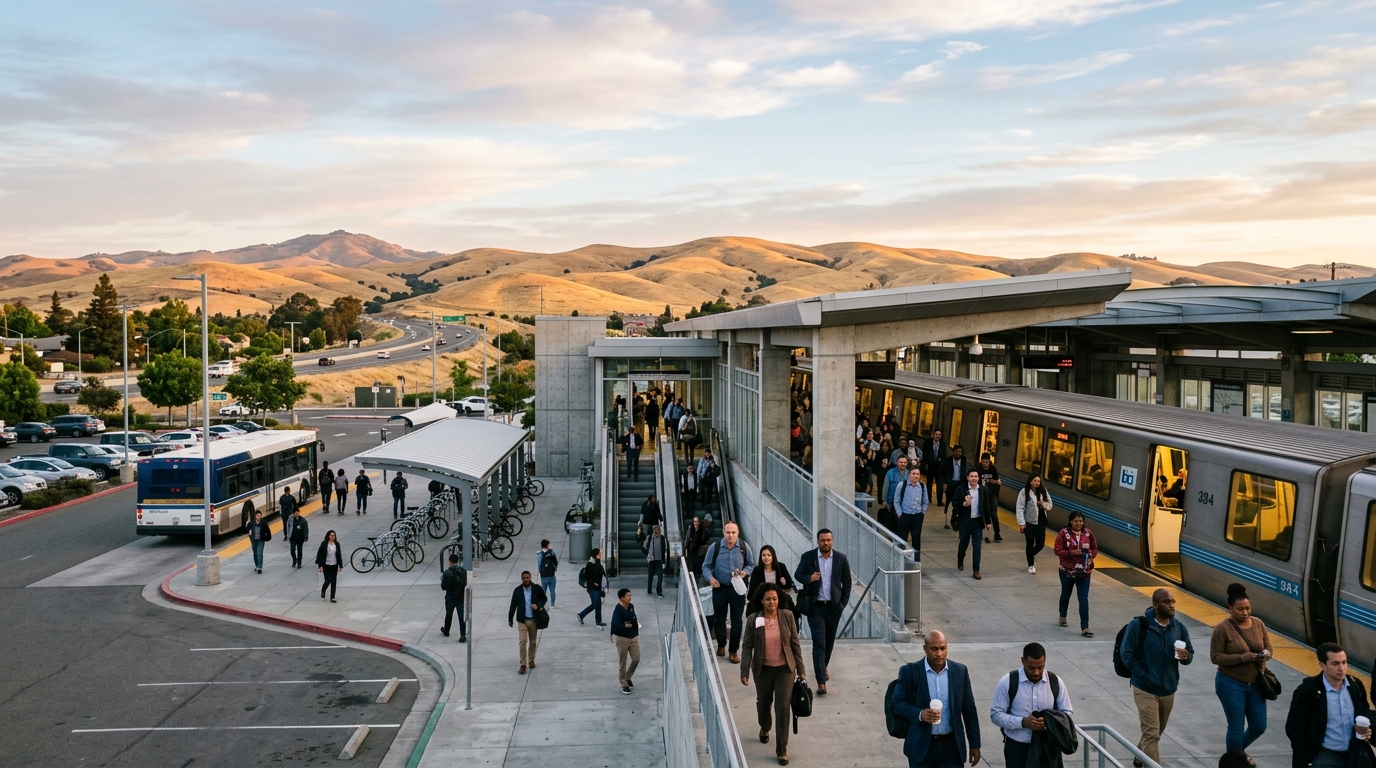
Antioch commuters face two major transit changes on consecutive days in August 2026. Tri Delta Transit will revise local bus service on Sunday, August 9, and BART will introduce a new regional train schedule on Monday, August 10. Some riders may gain faster transfers and more reliable rail connections, while others will need to rethink the bus portion of their trip.
The BART changes are designed to reduce delays, improve train spacing, and strengthen timed connections at the Pittsburg transfer platform. The local bus changes are more difficult: Tri Delta Transit says its fiscal shortfall requires route eliminations, reduced frequencies, and weekend service cuts, although most service will continue.
This guide explains the changes most relevant to Antioch riders, how they may affect common commutes, and what to check before leaving home. Transit schedules can change again, so use this article as a planning overview and verify your exact trip with the official agencies before travel.
What Changes for Antioch BART Riders on August 10, 2026?
BART’s new schedule begins Monday, August 10. Departure times on the Yellow Line and the separate BART-to-Antioch service may shift by several minutes, so riders should not assume their usual train will leave at the same time. BART has posted updated weekday and weekend PDF timetables and plans to reflect the schedule in its Trip Planner.
The systemwide redesign changes how trains operate through Daly City and adjusts several transfers across the network. For Antioch riders, the most important improvements involve the Pittsburg transfer platform and trips toward Richmond, Berkeley, and El Cerrito.
Better Connections at the Pittsburg Transfer Platform
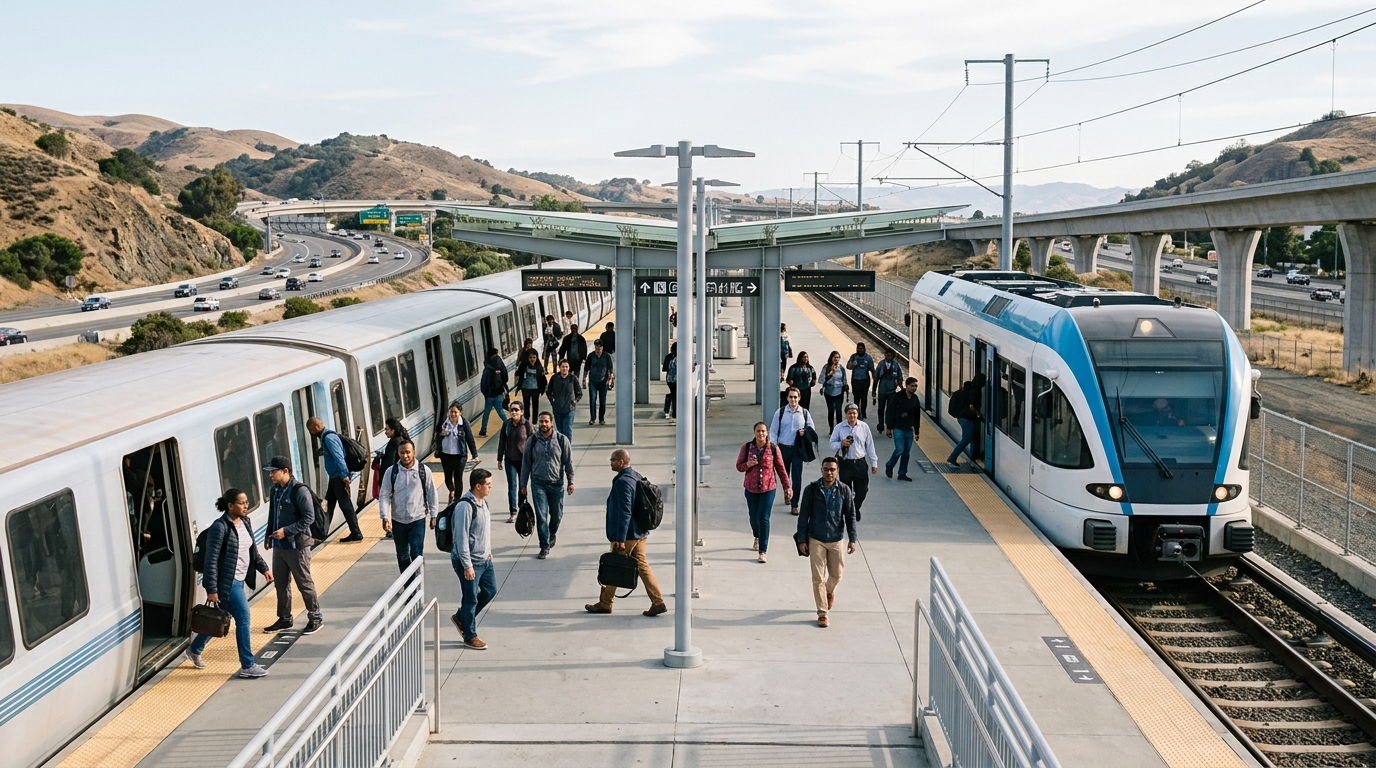
Antioch Station is served by diesel multiple-unit trains that operate between Antioch and the transfer platform east of Pittsburg/Bay Point. Riders continuing toward Oakland, San Francisco, or the airport transfer to a conventional Yellow Line BART train at that platform.
That timed connection can break when the incoming Yellow Line train is delayed. BART says the August schedule changes when an Orange Line train reaches 19th Street/Oakland, reducing the need for regular Antioch-bound Yellow Line trains to wait there. The intended result is better on-time performance farther east and a more dependable connection with the Antioch train at Pittsburg.
Why a Small Schedule Shift Can Affect the Entire Trip
A missed timed transfer can add much more than a few minutes because the rider must wait for the next Antioch train. Commuters should therefore check both segments rather than looking only at the departure from Antioch Station. Morning riders should also confirm the new first-mile bus time, parking arrival time, and transfer window before August 10.
BART began adding some longer trains on the Yellow, Red, Blue, and Green lines during peak periods on July 20. Longer trains do not change frequency, but they can reduce crowding when demand is highest. Riders should still spread along the platform because the train length may vary by time of day.
Trips Toward Richmond, Berkeley, and El Cerrito Improve
Riders traveling from Antioch toward Richmond will receive one of the clearest schedule benefits. BART says a new four-minute transfer at MacArthur, from Platform 4 to Platform 1, will reduce this trip by approximately 17 minutes compared with the previous connection.
This matters for people traveling to Berkeley, El Cerrito, Richmond, or destinations reached through the Red and Orange lines. The faster connection depends on catching the planned transfer, so riders should follow platform signs and verify the correct destination before boarding.
Tri Delta Transit Changes Begin One Day Earlier
The rail improvement does not solve the first-mile and last-mile problem. Many Antioch riders reach BART using Tri Delta Transit, and the agency’s August 9 schedule change includes service reductions caused by its budget crisis.
Routes 361 and 377 will no longer operate on weekdays or weekends. Tri Delta Transit says those areas will instead be served through Tri MyRide microtransit. Weekend service will also end on Routes 374 and 376, with Tri MyRide identified as the replacement option. Paratransit and Tri MyRide themselves are not scheduled for service reductions in this update.
Routes With Reduced Frequency or Fewer Trips
Several routes remain in operation but will run less often. Route 370 will retain 15-minute peak service only from noon to 7 p.m. and move to 60-minute weekend service. Routes 372 and 373 will operate every 60 minutes. Route 375 will have 30-minute peak service from noon to 7 p.m., while school-oriented trips remain aligned. Route 200X will lose selected mid-morning and mid-afternoon trips.
Routes 201X, 360, 362, and 371 are listed as having timetable revisions without broader service changes. Even riders whose route remains should download the new timetable because a shifted bus departure can cause a missed BART connection.
Microtransit Is Not the Same as a Fixed Bus Route
Tri MyRide is an on-demand service rather than a bus that follows the same published stop sequence every hour. Riders affected by the loss of Routes 361, 377, or weekend service on 374 and 376 should learn how to request a trip, confirm the service area, allow for pickup variability, and understand accessibility or eligibility requirements before the change begins.
Do not wait until the morning of an important commute to test a new connection. A trip that previously required walking to a fixed stop may now require booking through an app or contacting the service. Households without reliable mobile data should ask Tri Delta Transit about available booking methods.
How Antioch Commuters Should Prepare for the New Schedules
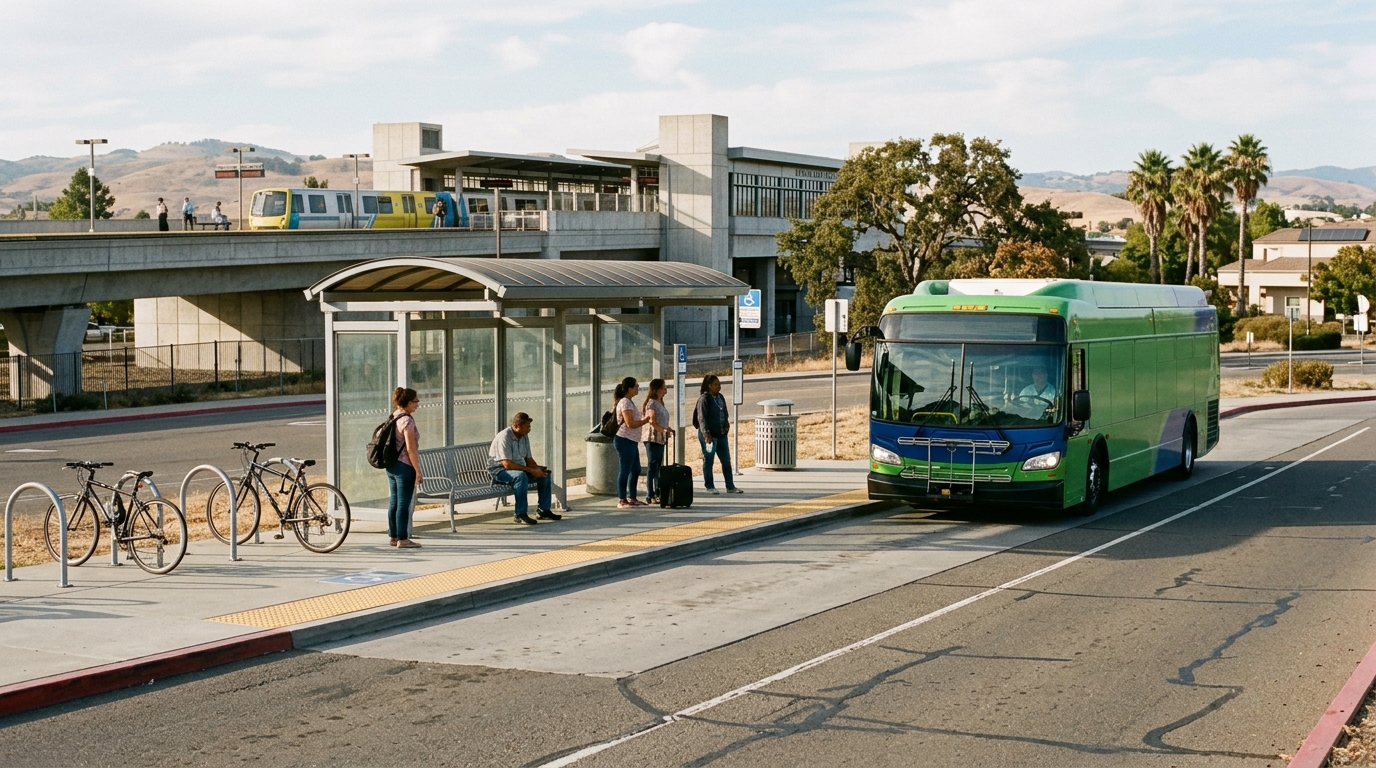
The safest approach is to rebuild the entire trip from the front door to the final destination. Check the local bus or microtransit segment, Antioch departure, Pittsburg transfer, any later rail transfer, and the return trip. A change that saves time in one direction may not produce the same benefit late at night or on weekends.
This is especially important for residents comparing neighborhoods or planning a move. Transit access should be evaluated by actual door-to-door travel time, not simply by distance from Antioch Station. Our Antioch housing growth guide explains where new residential projects are moving forward, while the Antioch General Plan Update guide looks at how housing and transportation policy may be coordinated over the long term.
A Practical Checklist for Weekday and Weekend Riders
Start by planning a trip for August 10 or later using BART’s updated timetable. Compare it with your current schedule and note every changed departure. Then review Tri Delta Transit’s August 9 changes and identify whether your route is unchanged, reduced, or replaced by Tri MyRide.
- Check both the outbound and return schedules.
- Allow extra time during the first week of the change.
- Save the new bus and BART timetables on your phone.
- Sign up for service alerts from both agencies.
- Confirm the last train and last connecting bus before evening travel.
- Test Tri MyRide before relying on it for work, school, or medical appointments.
- Have a backup plan for missed connections, including a later train or alternate pickup point.
- Recheck weekend service separately because several bus reductions apply only on weekends.
Use BART’s official schedule PDF page for the new Yellow Line timetable and Tri Delta Transit’s August 9 schedule-change page for local bus details. Real-time alerts remain important because published schedules cannot account for every delay or service interruption.
Transportation also affects how residents use Downtown Antioch and the waterfront. Better regional connections can bring visitors and expand access to jobs, but local streets, buses, walking routes, and public spaces determine whether those benefits reach the wider community. Our guide to the future of Antioch’s waterfront and Rivertown examines that local connection.
The August changes produce a mixed result. BART riders should gain more reliable Pittsburg transfers, a much faster Richmond-direction connection at MacArthur, and longer trains during selected busy periods. At the same time, some Antioch residents will lose fixed-route bus service or face longer waits before reaching the station.
That is why commuters should evaluate the network as one trip rather than separate agencies. A faster train cannot compensate for a bus that no longer runs when needed, while a carefully timed local connection can make the BART improvements genuinely useful. Check the new schedules early, test unfamiliar services, and leave additional time until the new travel pattern becomes predictable.