
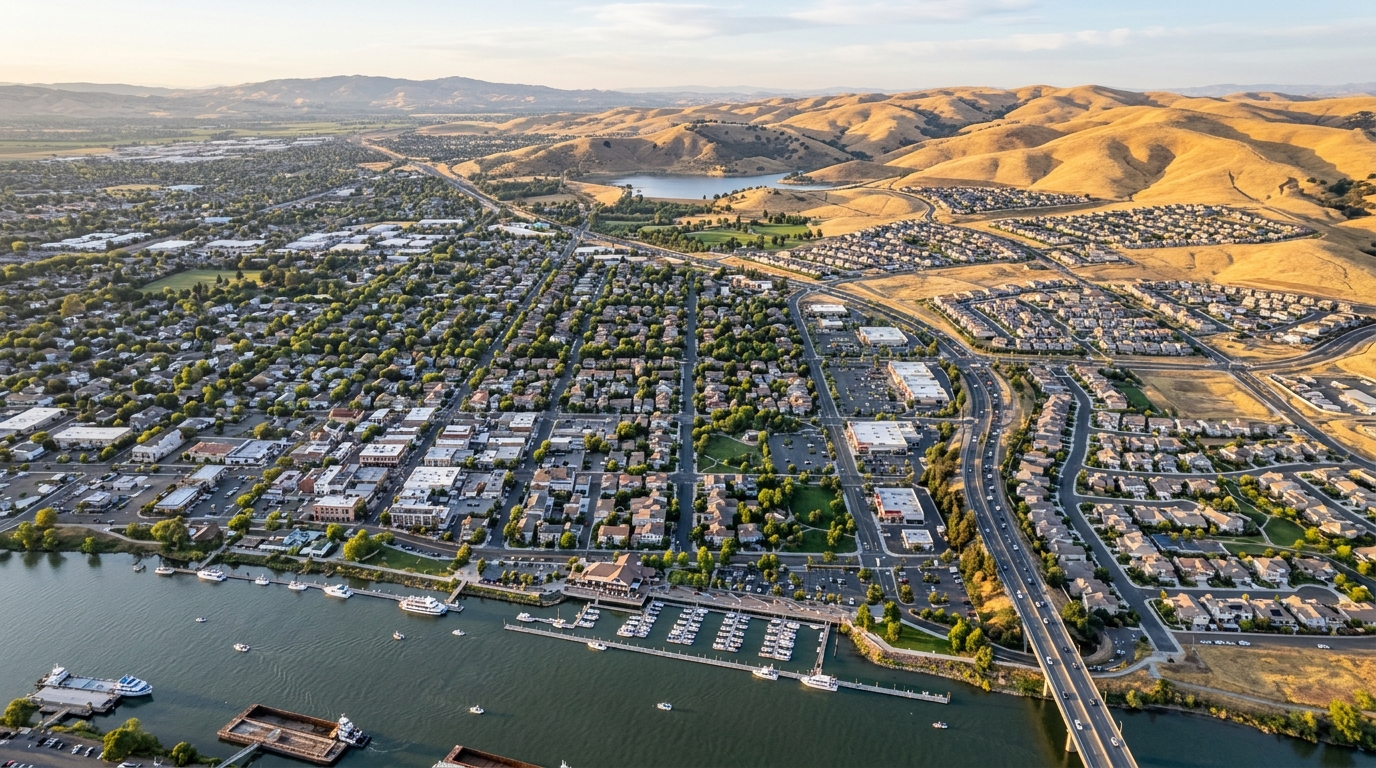
Antioch is rewriting the long-range blueprint that will guide how the city grows, moves, invests, and responds to change over the next two decades. The process is called the General Plan Update, and it may influence decisions about housing, roads, parks, business districts, public safety, environmental conditions, neighborhood design, and city services.
The update matters because Antioch’s last comprehensive General Plan was completed in 2003. Since then, the city has added housing, BART service has reached Antioch, transportation patterns have changed, climate and safety requirements have expanded, and residents have raised new concerns about affordability, infrastructure, economic opportunity, and neighborhood quality.
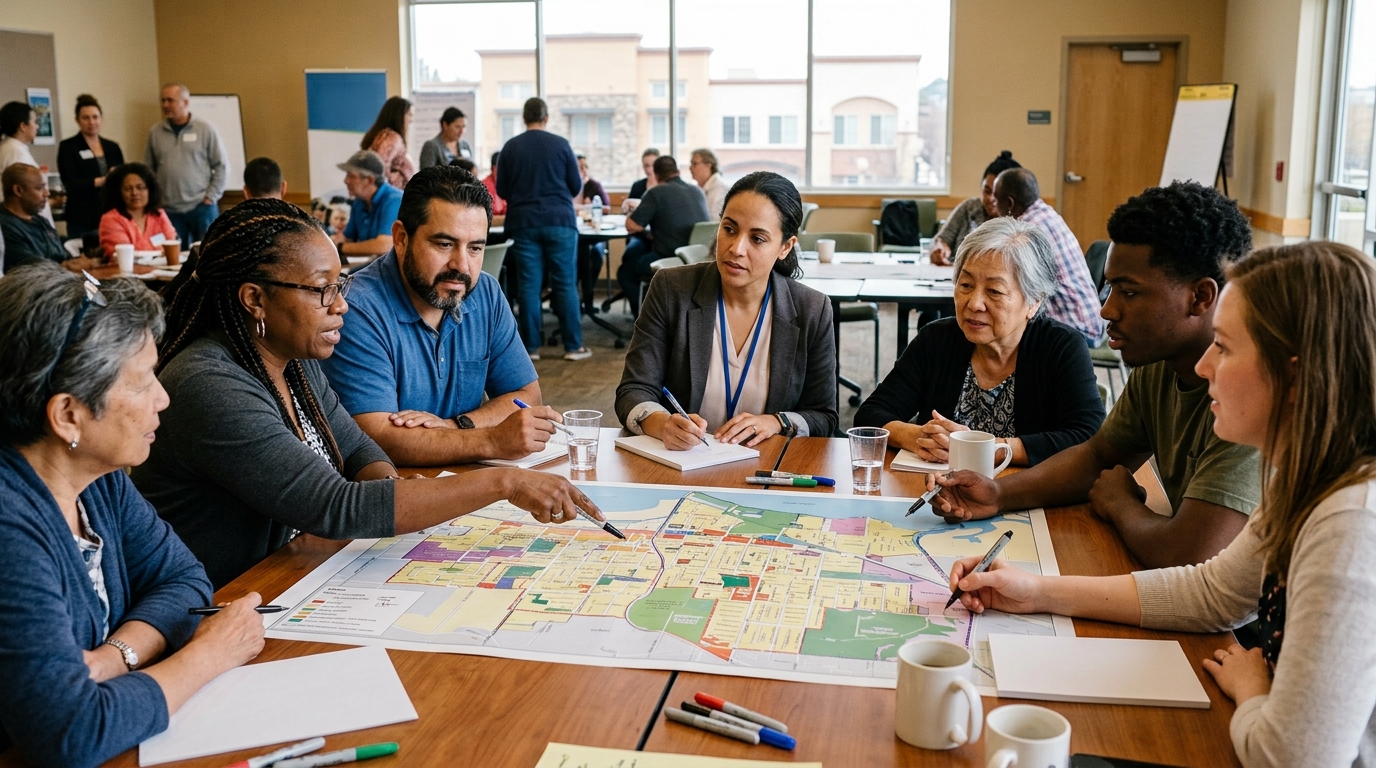
As of July 2026, the city is in the early public-engagement and visioning phase. Antioch formed a General Plan Advisory Committee, held public visioning workshops on June 30 and July 7, and invited residents to describe what they value, what is not working, and what priorities should guide future policy. The city expects the overall update to run through late 2027.
This guide explains what the General Plan does, which issues are likely to receive the most attention, and how residents can participate without needing a background in planning or government.
What the Antioch General Plan Update Is and Why It Matters
A General Plan is more than a collection of development maps. California cities use it to establish long-term goals, policies, and implementation steps for physical development and related community priorities. New plans, zoning decisions, infrastructure investments, and private development must be consistent with the adopted General Plan.
That makes the document important to renters, homeowners, business operators, commuters, families, and anyone considering moving to Antioch. A policy written during this update may later influence where new housing is encouraged, how streets are redesigned, which commercial areas receive attention, and what standards are applied to future projects.
Why Antioch Is Replacing a Plan Last Comprehensively Updated in 2003
The existing plan was written for a different version of Antioch. The city has grown, new neighborhoods and commercial areas have been built, and regional travel has changed. The arrival of Antioch BART created a major transit connection that did not exist when the 2003 plan was prepared. State law has also added or strengthened requirements involving housing, environmental justice, climate hazards, transportation, and community resilience.
Antioch has updated individual parts of its planning framework since 2003. The city adopted its current 2023–2031 Housing Element, updated the Environmental Hazards Element, adopted an Environmental Justice Element in 2023, and completed a Downtown Specific Plan update in 2024. The comprehensive update is intended to bring the full policy framework together.
What a General Plan Can Influence
The General Plan can identify where residential, commercial, industrial, public, and open-space uses are appropriate. It can establish goals for transportation, parks, public facilities, neighborhood design, economic development, environmental protection, noise, and safety. It can also set implementation programs that direct future studies, regulations, and capital projects.
This connects directly to Antioch’s current housing pipeline. The city reported thousands of approved or proposed units in 2026, including apartments, townhomes, affordable housing, and single-family projects. Readers can review the project-level details in our guide to Antioch housing growth in 2026. The General Plan operates at a broader level by deciding how land-use policy, services, mobility, and neighborhood goals should fit together.
What the Update Will Not Change Overnight
Adopting a General Plan does not instantly build a road, approve every mapped project, open a park, or change every zoning rule. It establishes the citywide policy direction. Specific development applications still require their own reviews, permits, conditions, and environmental analysis.
The city has explained that the zoning code will be updated as a separate follow-up project after the General Plan is adopted. Zoning provides the detailed rules for permitted uses, building heights, setbacks, and development standards. Residents should view the General Plan as the strategic framework and the later zoning update as a main implementation tool.
The Issues Most Likely to Shape Antioch’s Next 20 Years
The city’s work program includes an Existing Conditions Report, Community Outreach Summary, Land Use Alternatives Report, updated General Plan, and Environmental Impact Report. These materials will examine present conditions, compare choices, document public feedback, and evaluate potential environmental effects.
Required topics include land use, circulation, housing, conservation, open space, safety, noise, and environmental justice. Antioch may also address local priorities such as economic development, public facilities, community design, and implementation.
Housing, Land Use, and Transportation Must Be Planned Together
Housing discussions often focus on unit counts, but the General Plan must consider where homes are located and how residents reach jobs, schools, shops, parks, healthcare, and transit. A large project near an overloaded intersection creates different challenges from infill housing near services and frequent transportation.
Land-use alternatives may identify areas where change is desired and compare the effects of different growth patterns. Strong planning should consider walking routes, bicycle connections, bus service, BART access, road capacity, and emergency access. Our upcoming Antioch BART changes guide will examine the commuter side of this issue.
The waterfront and historic Rivertown also deserve careful treatment. Decisions about public access, commercial activity, housing, recreation, historic character, and climate resilience can reinforce one another or compete for limited space. The planned Antioch waterfront and Rivertown guide will track those opportunities separately.
Safety, Climate, Services, and Economic Opportunity Belong in the Same Plan
Growth cannot be evaluated only by counting homes or businesses. The city also needs water, drainage, streets, parks, emergency response, public facilities, and maintenance capacity. The General Plan gives Antioch an opportunity to connect development expectations with the infrastructure required to support them.
Planning may also address wildfire, extreme heat, flooding, evacuation routes, air quality, noise, hazardous materials, and communities facing disproportionate environmental burdens. Antioch’s recent Environmental Hazards and Environmental Justice elements are expected to be integrated into the new plan rather than completely rewritten.
Economic development should be specific. A useful strategy identifies what kinds of employers, commercial areas, visitor destinations, and small-business support fit Antioch’s location and workforce. It should connect job growth to transportation, available sites, infrastructure, and the quality of commercial districts.
How Residents Can Follow the Process and Influence the Final Plan
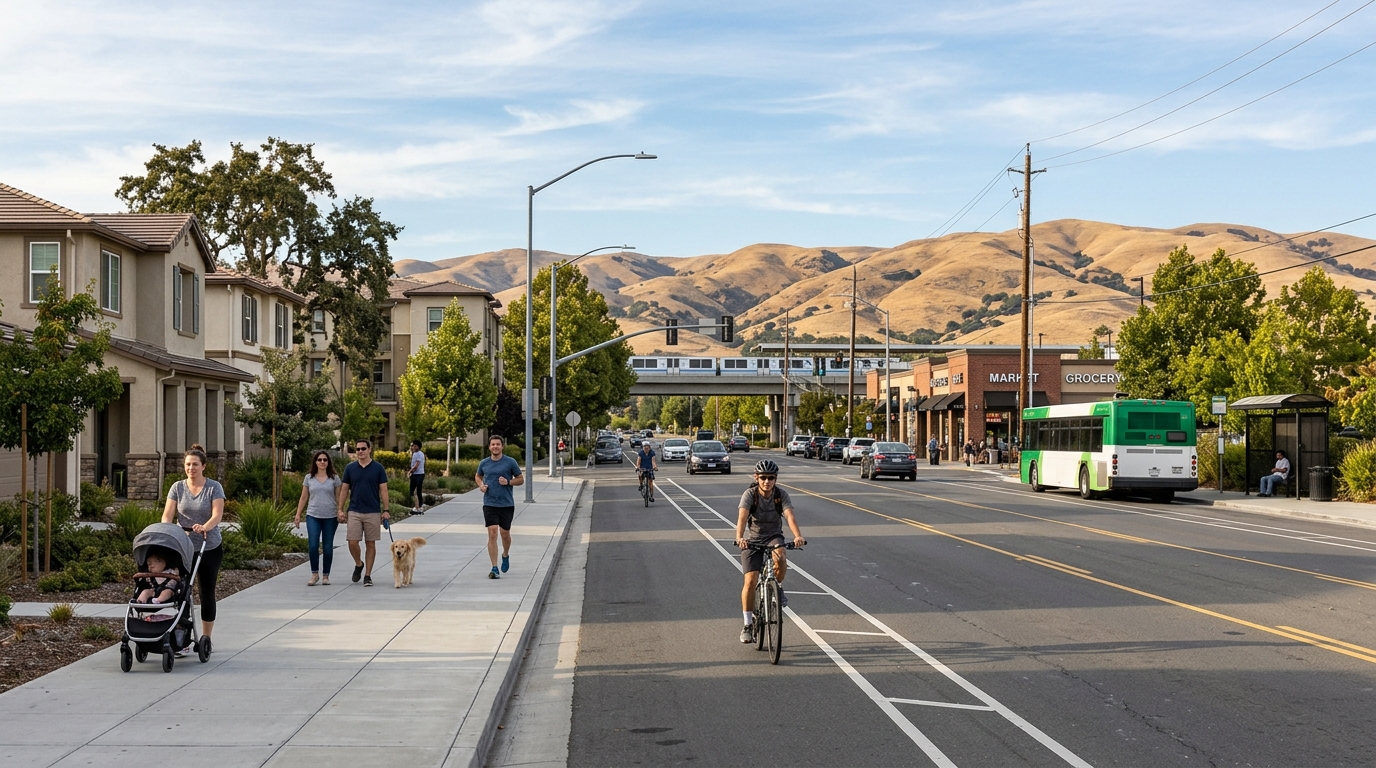
The General Plan will be more credible if participation extends beyond developers, agencies, and people who regularly attend government meetings. Renters, young adults, seniors, parents, commuters, business owners, and neighborhood groups all experience the city differently.
Public input does not guarantee that every suggestion becomes policy. It creates a documented record of community priorities that staff, the advisory committee, the Planning Commission, and the City Council must consider. Specific comments are usually more useful than broad statements. Instead of saying traffic is bad, identify the intersection, time of day, crossing problem, or missing connection.
Where the Process Stands and What to Do Next
The city anticipates an approximately two-year update running from late 2025 through late 2027. The first year focuses on existing conditions, community priorities, land-use choices, and policy development. The second year is expected to include further evaluation and preparation of the Environmental Impact Report.
The first General Plan Advisory Committee meeting was held in May 2026, followed by the June and July visioning workshops. The deadline for parcel owners or representatives to submit formal land-use designation change requests was July 17, 2026. That period has closed, but the wider public process continues through meetings, workshops, surveys, public review documents, Planning Commission sessions, and City Council hearings.
Residents can follow the official Antioch General Plan Update website, review documents and maps, and subscribe to city notifications. When draft alternatives are released, compare their differences in housing capacity, transportation impacts, open space, jobs, infrastructure needs, and neighborhood form.
Before commenting, consider these practical questions:
- Which parts of Antioch should remain largely unchanged, and where is change needed?
- Where can additional housing work without creating avoidable infrastructure problems?
- Which streets, crossings, transit links, and trails need the most attention?
- How should the city support Rivertown, the waterfront, commercial corridors, and local employers?
- What parks, services, safety improvements, and public facilities will future residents need?
- How should Antioch prepare for heat, fire, flooding, air quality, and other environmental risks?
The General Plan Update will not solve every city issue by itself. It can establish clearer priorities and reduce contradictory decisions. The strongest outcome would connect housing with transportation, development with public services, economic opportunity with livable neighborhoods, and growth with safety and environmental responsibility.
For residents, the key is to participate early and return when draft documents become available. Vision statements are important, but the land-use map, policies, implementation measures, and environmental review will determine how the vision becomes real decisions. Antioch’s next General Plan will shape choices for years after the current update is completed, making informed local involvement worth the effort.