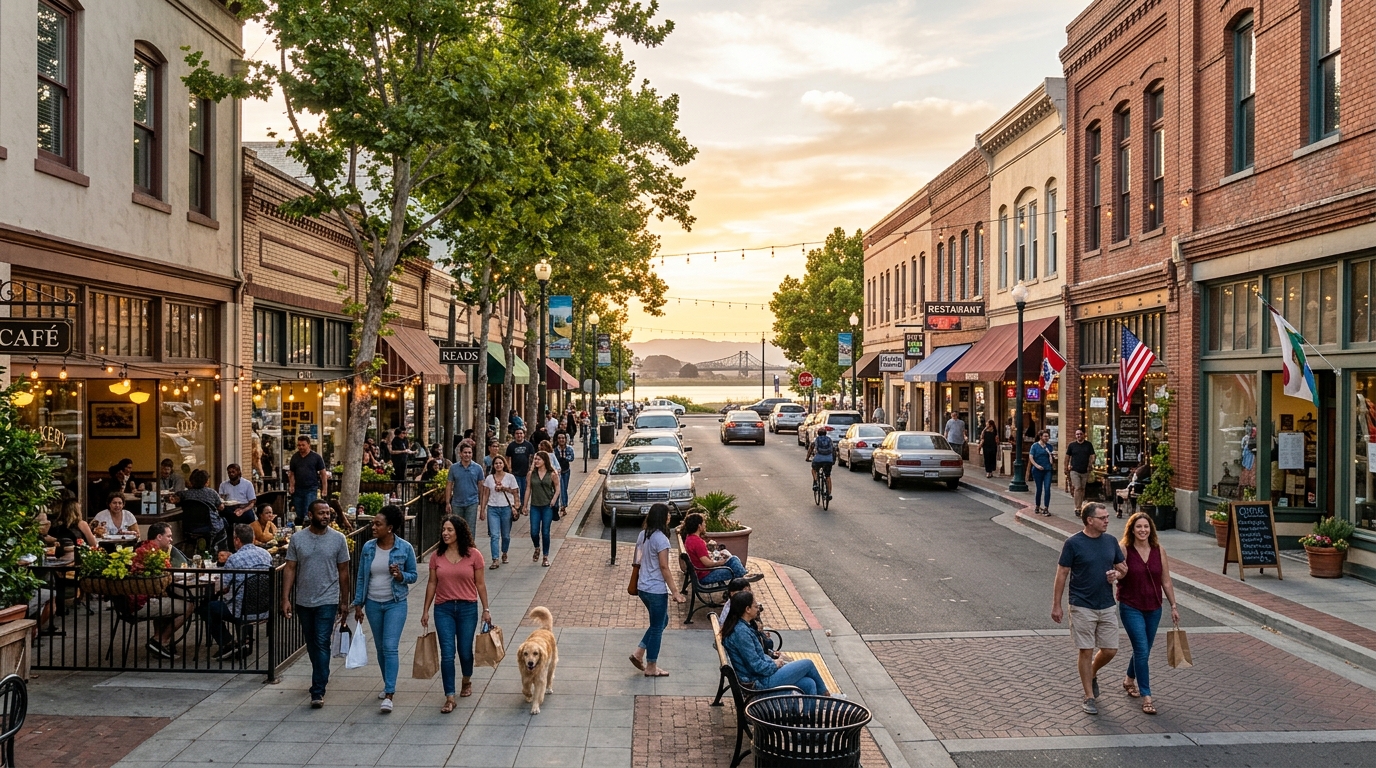
Shopping locally is more than a community slogan in Antioch. New businesses are opening, the city is investing in entrepreneur assistance, historic Rivertown is receiving renewed attention, and public events are helping residents discover restaurants, shops, and service providers they may otherwise overlook.
The City of Antioch reported that 530 new businesses opened during 2024 and 2025. That figure signals activity, but a healthy local economy depends on more than openings. Businesses need repeat customers, practical support, suitable commercial spaces, safe and attractive districts, and enough visibility to become established.
This guide explains why shopping locally matters, how Rivertown and citywide events can support small businesses, and what residents and entrepreneurs can do to build a stronger Antioch economy. It is not a ranked directory or a promise that every local business is equally good. The goal is to encourage informed choices and long-term community value.
Why Shopping Local Matters to Antioch’s Economy
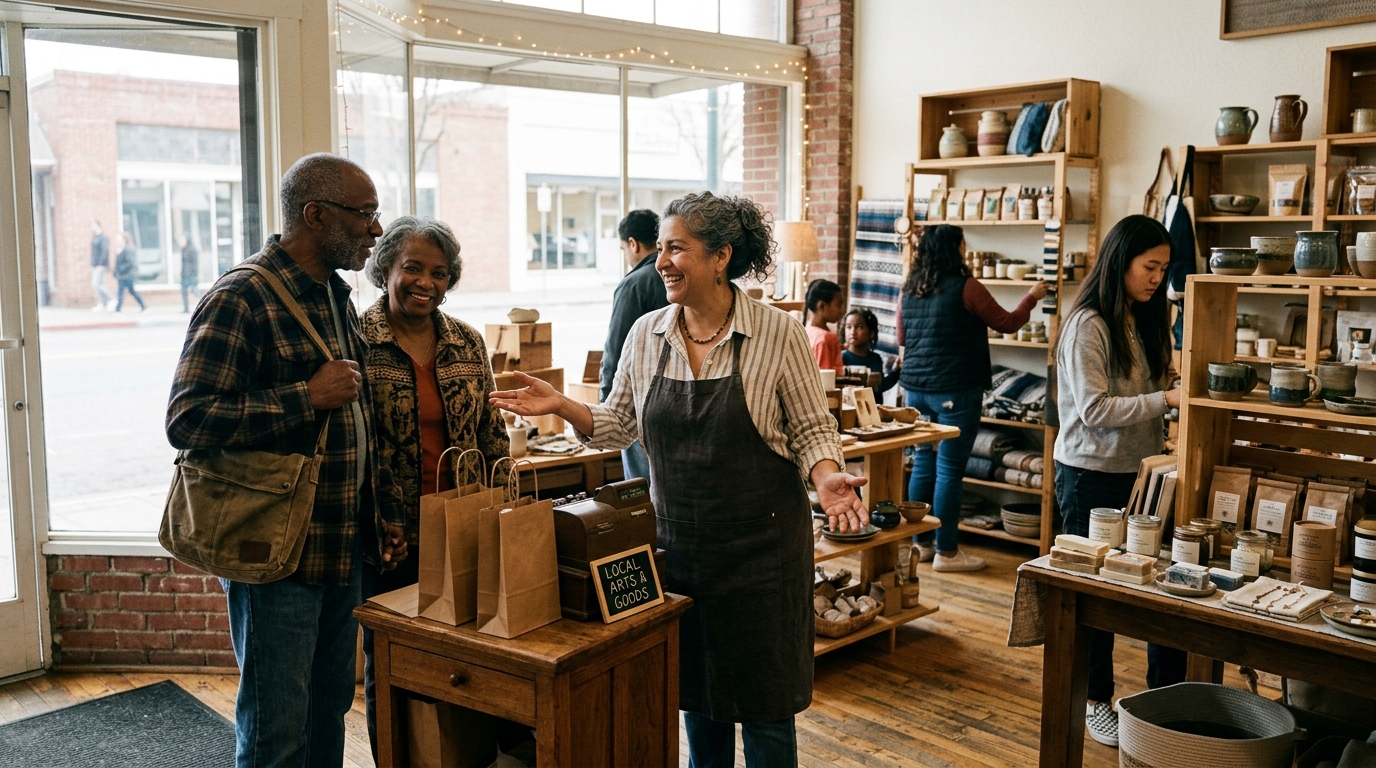
A locally owned restaurant, repair shop, salon, market, or professional service does more than complete a transaction. It may hire nearby residents, purchase from other local providers, sponsor community programs, occupy a vacant storefront, or give people another reason to spend time in a commercial district. Those effects are strongest when residents return regularly rather than treating local shopping as a once-a-year campaign.
Antioch’s growth also creates demand for everyday services. Our guide to Antioch housing growth in 2026 explains how thousands of homes are moving through review or approval. More households may support restaurants, healthcare providers, childcare businesses, retailers, contractors, and professional services, but only when commercial planning keeps pace with residential development.
Antioch’s Business Growth Is Real, but the Numbers Need Context
The city’s report of 530 new businesses during 2024 and 2025 is encouraging, but business-license counts can include very different operations, from home-based consultants to storefront retailers, industrial employers, and restaurants. A new license should not automatically be interpreted as a large employer or a permanently occupied commercial space.
Better signs of economic health include businesses remaining open, employees gaining stable work, commercial vacancies declining, customer traffic increasing, and owners receiving the technical or financial help needed to grow. A district can have frequent openings and still struggle if visibility, parking, maintenance, operating costs, or customer retention remain difficult.
New Businesses Do Not All Create the Same Local Value
Different businesses contribute in different ways. A home-based service may create flexible self-employment without changing a commercial corridor. A restaurant can activate a storefront and attract evening visitors. A manufacturer or healthcare operator may support more jobs but depend on specialized sites and infrastructure. Antioch does not need only one category; it needs an ecosystem where suitable businesses can start, survive, and expand responsibly.
The city’s Economic Development Division works on business retention, attraction, workforce partnerships, redevelopment, and investment. Antioch also uses its “Anchored by Antioch” newsletter for business spotlights, grand openings, resources, directories, and events. These tools can reduce a basic problem: residents may want to shop locally but cannot easily discover what is available.
Residents Influence Which Businesses Survive
Support does not require buying something unnecessary or ignoring poor service. Residents can search locally before defaulting to a distant chain, recommend businesses after a genuinely good experience, follow independent operators for current hours, and return when the product or service is worthwhile.
Reviews should be specific and fair. Mention what was ordered, which service was provided, or why the business was useful. Give an owner a reasonable chance to resolve a small problem before posting an angry review. Supporting local operators does not mean accepting unsafe conditions, dishonest pricing, discrimination, or consistently poor service.
Rivertown Can Become a Stronger Local-Business District
Historic Rivertown has advantages that a conventional shopping center cannot reproduce. It combines older storefronts, public buildings, community events, river access, and a walkable street pattern. Its future is closely connected to the waterfront improvements covered in our guide to Antioch’s waterfront and historic Rivertown.
A successful district gives people several reasons to visit during one trip. Someone might attend an event, eat at a restaurant, browse a shop, use a service, and walk toward the waterfront. That pattern benefits multiple businesses instead of requiring one destination to generate all the activity.
Events and Free Wi-Fi Can Increase Visits
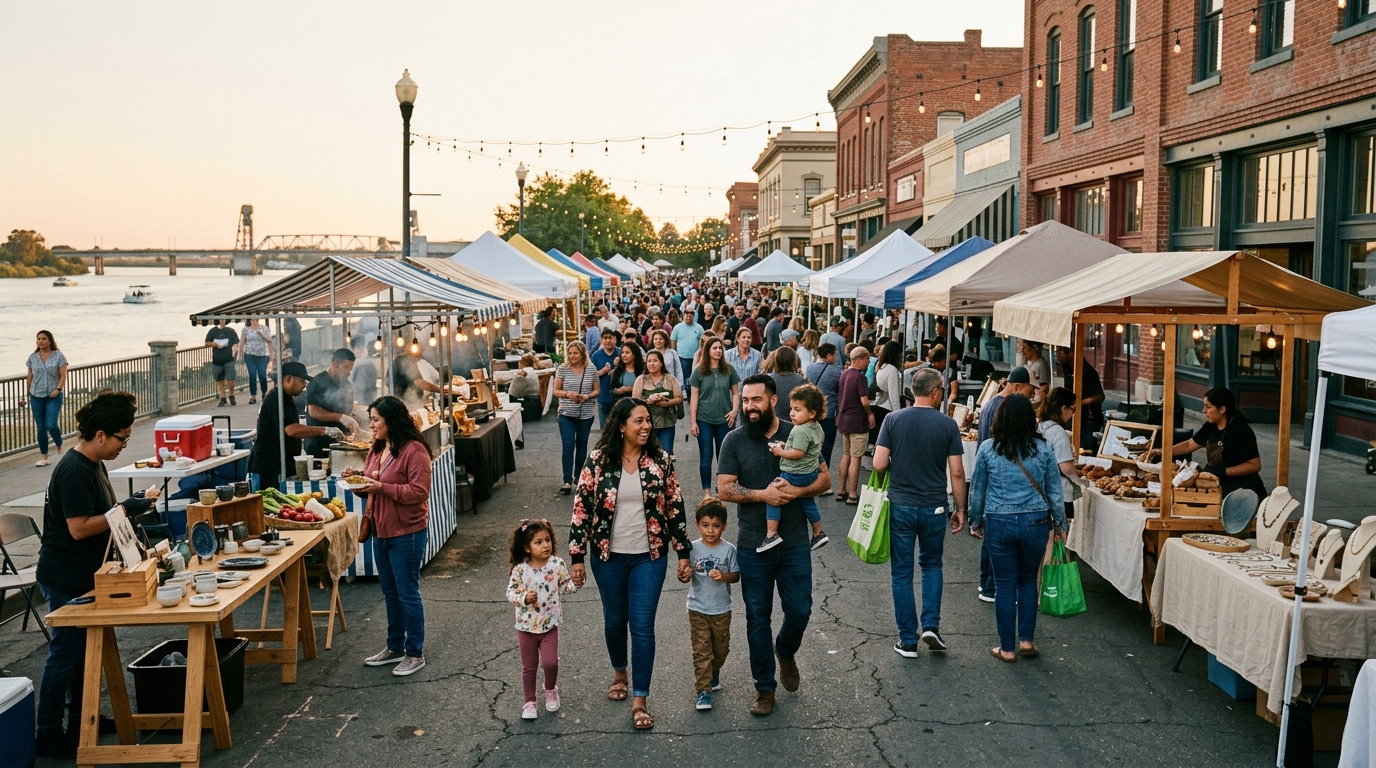
Antioch’s 2026 recreation schedule includes Food Truck Thursdays from February through October, along with seasonal celebrations and outdoor events. Events introduce residents to areas they may not visit during an ordinary week and can provide opportunities for food vendors, makers, entertainers, and businesses without permanent storefronts.
The city also launched free public Wi-Fi across several Rivertown blocks in April 2026. Connectivity can help visitors find menus, directions, event details, transit information, and nearby businesses. It may also support digital payments and online promotion during public activities. Wi-Fi is useful, but it will have limited impact unless the district is clean, comfortable, easy to navigate, and active.
A Good District Must Work Beyond Event Days
Festivals can create a temporary surge in visitors, but businesses need reliable activity on normal weekdays, evenings, and weekends. Rivertown’s long-term success will depend on lighting, sidewalks, storefront maintenance, parking information, shade, public seating, signs, cleanliness, and safe connections among businesses, public spaces, the marina, and nearby neighborhoods.
Coordinated directories, event calendars, walking maps, and shared promotions can make the district easier to understand. Residents should be able to answer basic questions before leaving home: What is open? Where can I park? Can I reach several destinations on foot? Is there an event today? What else is nearby?
How Residents and Entrepreneurs Can Strengthen the Local Economy
A strong local economy cannot be created by city government alone, and it cannot be sustained only by asking reside
 nts to “shop small.” Owners must provide value and dependable service. Property owners must maintain usable spaces. The city must make permits, infrastructure, and support programs understandable. Residents must be willing to discover and revisit good local operators.
The Antioch Business Collaborative provides advising, training, access to capital, and referrals to specialized organizations. Information submitted for an economic-development award states that the collaborative served 141 businesses in 2024, helped start 19 businesses, and reported 289 jobs among participating businesses. Long-term success should also be measured through business survival, revenue stability, job quality, and continued access to financing.
Practical Ways to Shop, Promote, and Build a Business
Residents can create a simple local-first habit. Before making a purchase, search Antioch for the product or service. Confirm current hours and compare value rather than assuming a local option is automatically more expensive. Combining several errands in one district can also make local shopping more convenient.
- Try one independent restaurant, shop, or service provider each month.
- Share accurate recommendations with neighbors and community groups.
- Post original photos and useful reviews after a positive experience.
- Buy gift cards from businesses you already trust.
- Attend local events and visit nearby storefronts while you are there.
- Report outdated directory information so other customers are not misled.
Entrepreneurs should use available assistance before signing a long lease or buying major equipment. Confirm that the location allows the proposed use, understand permits, estimate realistic customer demand, and maintain enough working capital for a slow opening period. The city notes that zoning review for commercial and home-occupation business locations may take approximately two to four weeks, so that step belongs in the launch timeline.
The official City of Antioch Business Resources page provides licensing information and access to the Antioch Business Collaborative. Owners can also follow city economic-development updates and regional workshops covering funding, workforce programs, contracting, marketing, and business management.
Transportation
Transportation should be part of business planning. The changes discussed in our Antioch BART commuter guide show how rail and bus schedules affect workers and customers. A business that depends on people arriving without a car should assess sidewalks, bus frequency, evening service, and the return trip.
Antioch’s General Plan Update may influence future commercial areas, transportation connections, land use, and economic-development policy. Readers can follow that process in our Antioch General Plan Update guide. A strong citywide strategy will connect housing with jobs, services, public spaces, and business districts instead of planning each one separately.
Shopping local is one part of a practical system. Residents help by becoming repeat customers and sharing trustworthy information. Entrepreneurs help by building useful, well-managed businesses. The city and its partners help by reducing barriers, improving districts, and providing credible support.
Antioch has visible entrepreneurial momentum, but the next measure of success is durability. The goal should not simply be more grand openings. It should be businesses that remain valuable to residents, create opportunity, strengthen neighborhoods, and give people more reasons to spend their time and money within Antioch.